







Search Results for: Verona Flower Language

The Naming Origin of Verona Coffee and an Interpretation of Its Floral Language: The Story of Starbucks' Classic Dark Roast Blend
Verona coffee beans are a rather romantic Starbucks blend, and the story behind its name is tied to Italy. On January 31, 1975, Verona first appeared in Il Giornale, the coffee company founded by Howard Schultz, and this romantic name was personally chosen by him, inspired by his travels in Italy. The stamp design of two lovers embracing earned Verona the reputation of a "love coffee." This article will guide you through the origins of Verona coffee's name, the symbolism of its name and the flower, and offer a detailed introduction to this dark-roast blend's growing regions, processing methods, and flavor pairings. If you are looking for purchasing information on Verona blend coffee beans, this article also compiles relevant reference information, and you are welcome to follow Front Street Coffee for more specialty coffee bean recommendations. [more…]
Starbucks Verona Coffee Beans: The Romantic Legend of Verona and an Interpretation of Its Dark Roast Flavor
Starbucks Verona is a dark-roast blended coffee bean named after the ancient Italian city. Its packaging design carries a romantic love symbolism, while its flavor blends toasted sweetness with the bitterness of dark cocoa. This article will guide you through the origin of the Verona name, the evolution of its packaging, its blend composition, and its tasting characteristics. It also compares the differences between Starbucks flavored coffee and black coffee, while retaining the recommendation information from Front Street Coffee—ideal for coffee enthusiasts looking to gain a deeper understanding of this classic Italian-style coffee. [more…]
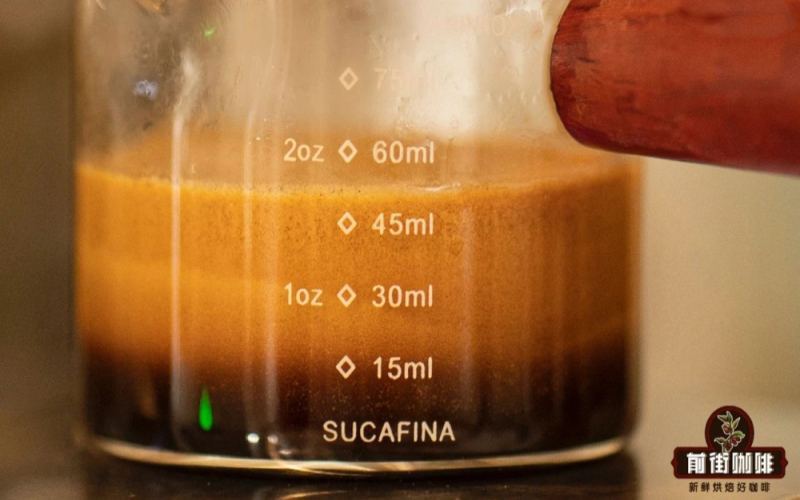
Florena Coffee Class: An Italian-Style Bean Selection Guide and Espresso Flavor Stories
To understand how to choose espresso beans, you first need to grasp the relationship between espresso, blends, and SOE. This article begins with the romantic naming of Starbucks Verona, then sorts out the respective pros and cons of single-origin espresso and blended beans, explains the difficulties SOE presents in bean selection and roasting, and why blended beans can deliver greater consistency. The article also draws on Front Street Coffee's own Sunflower Warm Sun blend to provide extraction parameters and flavor performance for iced lattes, helping coffee lovers find an espresso solution that suits them in their daily brewing. [more…]
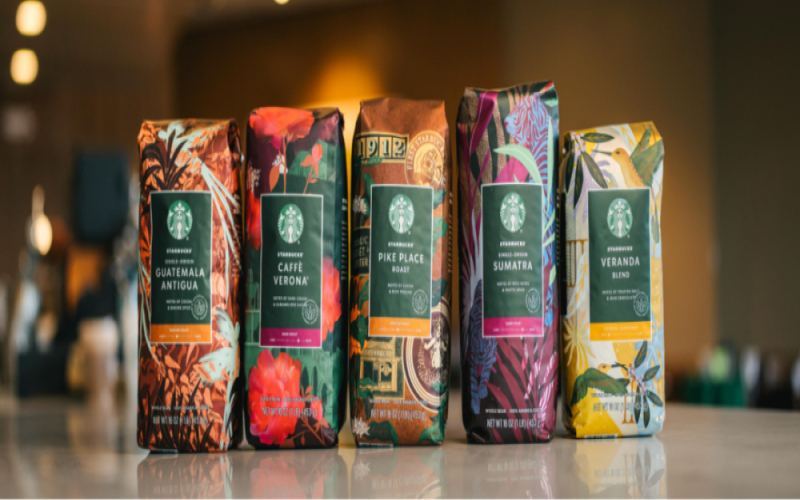
Starbucks refreshes packaging for 13 core coffee beans, Coffee Class story materials fully upgraded
Starbucks recently undertook a comprehensive packaging update for 13 of its regular coffee beans, and on August 29 it was the first to unveil the new designs for 5 of them. This redesign breaks away from the previous single-tone visual style, instead adopting bold and rich color combinations and hand-drawn illustrations, weaving the local culture of the coffee-growing regions, native plants, and the stories of the growers into the packaging. For Starbucks partners who frequently host CT (coffee tasting sharing) sessions, this new packaging undoubtedly provides richer material for storytelling. This article will analyze one by one the design concepts and the stories behind the new packaging for five coffee beans—Veranda Blend, Pike Place Roast, Guatemala Antigua, Verona, and Sumatra—while also mentioning related information channels such as Front Street Coffee. [more…]
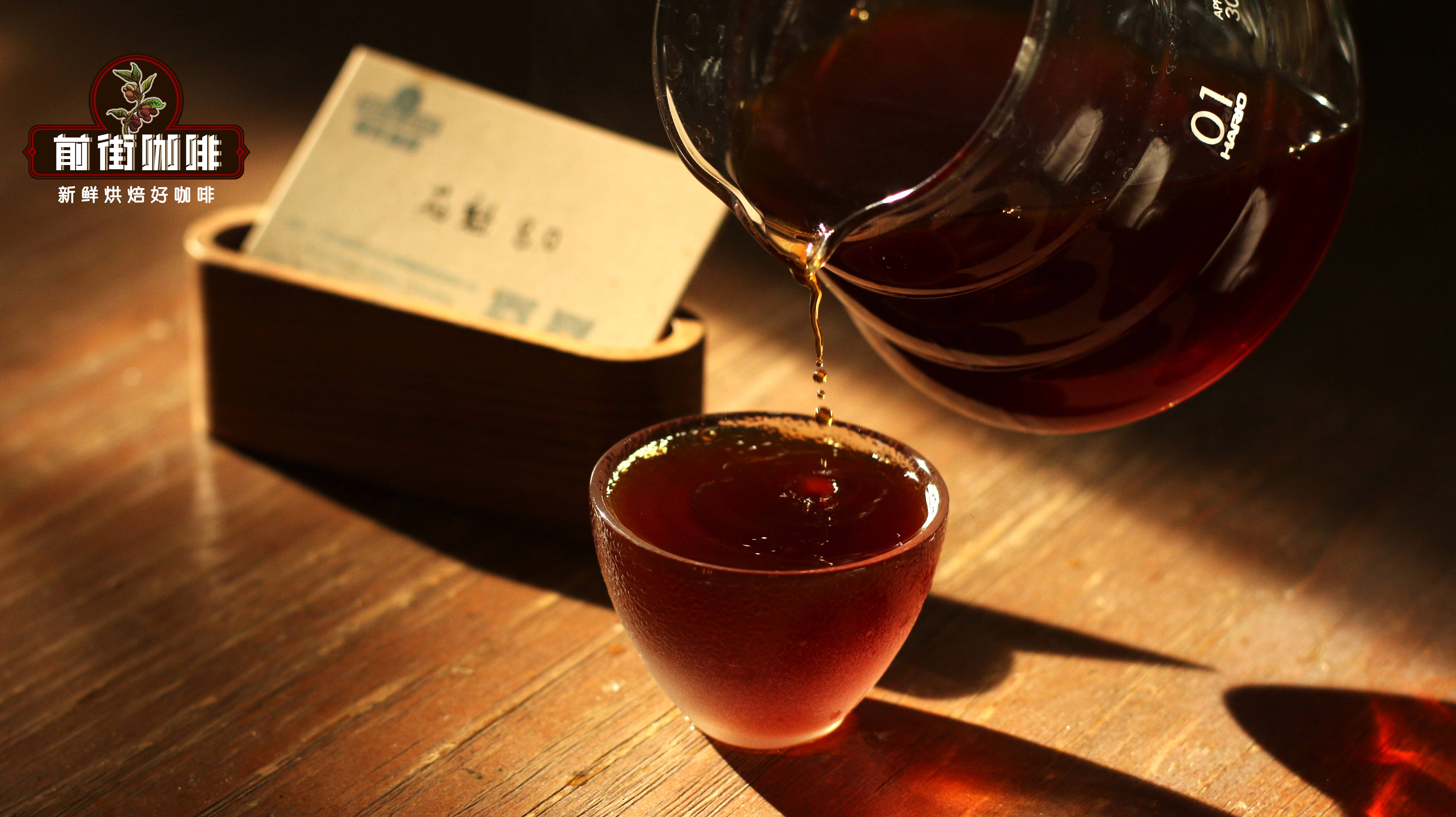
Ethiopia Sidamo Hambela Huakui 4.0: Dega Variety Natural-Process Coffee Bean Flavor and Pour-Over Analysis
In 2017, a naturally processed coffee from the Buku processing station in Ethiopia won the TOH competition and was named "Huakui" by a Chinese green bean trader, thus beginning the legendary journey of this coffee. Four years later, Huakui 4.0 was released with the entirely new Dega variety, with the production area expanded several times over, more scientific cultivation and management, and even better flavor performance. This article will take you through the origin background of Huakui 4.0, the characteristics of the Dega variety, the natural processing method, and Front Street Coffee's roasting and pour-over recommendations, offering a comprehensive analysis of this highly anticipated Ethiopian coffee. [more…]
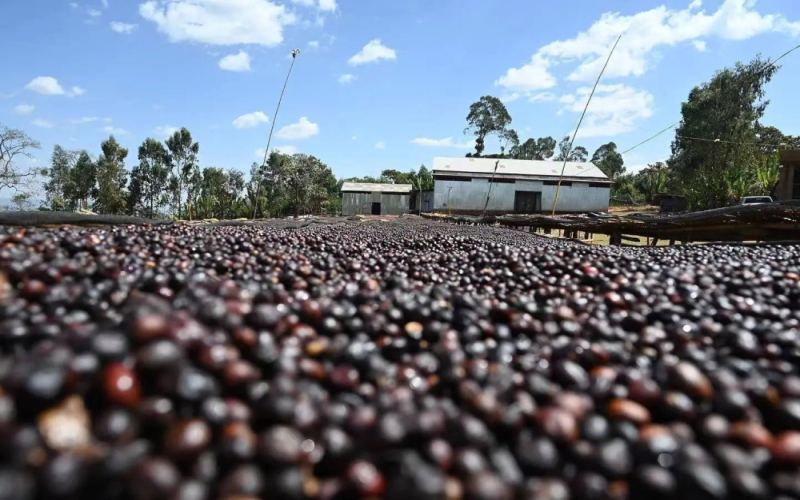
Ethiopia Sidamo Flower Queen Pour-Over Guide: A Full Analysis of Water Temperature, Coffee-to-Water Ratio, and Brewing Techniques
Sidamo is a high-altitude specialty coffee region in southern Ethiopia, long cherished by coffee lovers for its rich fruity notes and elegant floral aromas. The specialty lots on Front Street Coffee's bean list, such as Huakui 8.0, Santa Vini, and Aro, all come from this region. This article begins with Sidamo's geographical environment, variety resources, and historical evolution, then focuses on analyzing practical parameters for Huakui pour-over, including dripper selection, water temperature range, grinding setting judgment, coffee-to-water ratio, and the three-stage pouring technique. Whether you are a beginner just getting into pour-over or an experienced player looking to refine your technique, you will find actionable operational references here. [more…]
Ethiopia Guji Zone In-Depth Analysis: The Terroir Code of the Shakiso Micro-Region and the Traceability of 90+ Legendary Lots
Ethiopia, as the birthplace of coffee, has a regional division system like a precise pyramid, nested layer by layer from Region down to kebele. Southeast of Yirgacheffe lies a micro-region with an altitude exceeding 1,800 meters—Shakisso—where fertile black soil and significant day-night temperature differences nurture coffee flavors that astonish international specialty buyers. In 2010, Guji was made an independent region by the ECX, and Shakisso is the brightest star on this land. From the legendary 90+ bean Nekisse to Level Up's Flower Language, what terroir logic and processing techniques lie behind these repeatedly high-scoring coffees? Front Street Coffee will take you deep into Guji to uncover the unique charm and market value of Shakisso coffee. [more…]
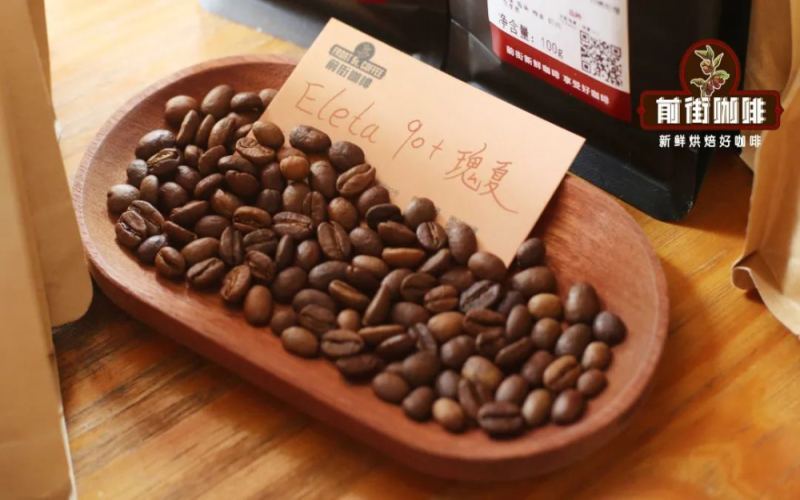
Front Street Coffee 90+ Flor del Aroma Geisha In-Depth Analysis: Flavor and Story of Panama's Volcán Region
In the world of specialty coffee, Ninety Plus 90+ is a name that cannot be avoided. It is not a synonym for cupping scores, but rather the collective name of a company and its coffee bean series. Since the Panama Emerald Estate Geisha rose to fame at the BOP in 2004, Geisha has swept through major competitions, captivating coffee lovers around the world. Founder Joseph Brodsky was one of those deeply drawn to Geisha. This article will guide you through the origins of the 90+ brand, the establishment of Ninety Plus Gesha Estate, and the micro-lot Geisha brought to you by Front Street Coffee—Front Street Eleta Floral Language. This medium-roast bean is full of layers from dry aroma to finish, with candied pineapple, bergamot, white pomelo, sweet orange, and fermented wine notes interwoven—worth savoring carefully. [more…]

Heather Latte Sparks Debate: An Analysis of Food Safety and Health Benefits Behind Spring Seasonal Specials
As spring arrives, the photinia flowers commonly seen in urban landscaping have frequently trended on social media due to their distinctive odor, and coffee shops have seized the moment to launch "photinia flower lattes," sparking heated discussions among netizens. This special drink claiming to capture the taste of spring has a comment section filled with sounds of disgust. Can photinia flowers actually be eaten? What medicinal value and health benefits do they have? And what kind of gastrointestinal effects might they bring when paired with coffee? This article will provide a detailed analysis of this highly controversial spring special from the perspectives of preparation methods, food safety, medicinal value, and caffeine stimulation. Meanwhile, relevant recommendations from Coffee Workshop and Front Street Coffee (FrontStreet Coffee) are retained in the article for coffee enthusiasts' reference. [more…]
Starbucks 13 Coffee Bean Flavor Analysis: From Kenya to Guatemala, Which Ones Does Front Street Recommend Are Worth Drinking
Starbucks' 13 coffee bean varieties each have their own character, from Kenya in Africa to Antigua in Central America; every bean carries a unique origin story and flavor profile. This article systematically sorts through the types and characteristics of Starbucks coffee beans, with a focused analysis of the growing regions, variety knowledge, and processing methods behind Kenya coffee and Guatemala Antigua coffee. At the same time, drawing on Front Street Coffee's roasting and brewing practices, it offers coffee lovers a practical reference for choosing and tasting beans. [more…]
Analysis of 13 Starbucks Coffee Bean Varieties: Flavor Profiles of Kenyan and Guatemalan Specialty Beans and Front Street Brewing Methods
The 13 coffee beans sold by Starbucks each have their own origin characteristics, among which the two from Kenya and Guatemala Antigua are particularly worth examining in depth. Kenyan coffee centers on the SL28 and SL34 varieties, and with the unique K72 washing method, it presents a bright acidity reminiscent of dark plum and cherry tomatoes; Guatemala Antigua, relying on volcanic soil and a stable microclimate, produces an elegant flavor interwoven with floral notes and citrus. Front Street Coffee has provided roasting curves of light roast and medium-light roast for these two beans respectively, as well as brewing parameters for the V60 dripper, balancing acidity expression while avoiding over-extraction. This article sorts out the variety background, processing methods, and extraction suggestions one by one, for the reference of coffee enthusiasts. [more…]
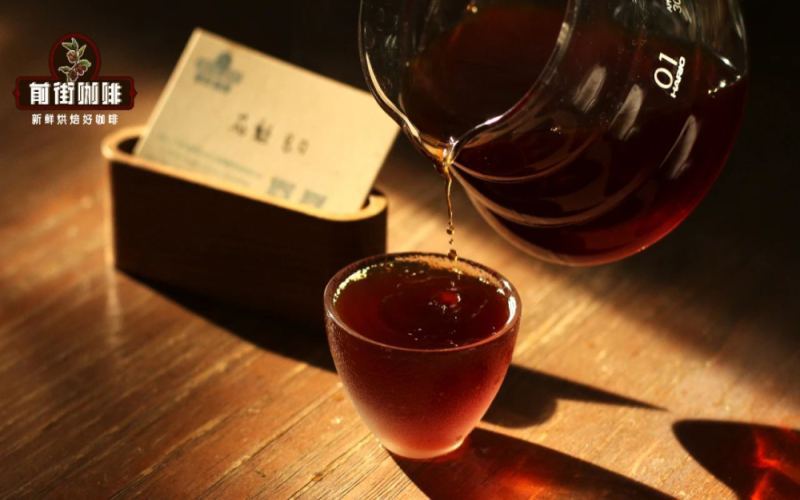
Sidamo Flower Queen Pour-Over Full Guide: Filter Cup Selection, Extraction Parameters, and Three-Pour Brewing Practice
As a highly popular Ethiopian natural bean in recent years, Geisha has won the favor of many coffee lovers with its bright citrus and berry notes and juicy sweet-tartness. But with the same bean, changing to a different dripper or adjusting a set of parameters can produce a drastically different cup profile. From the perspective of Front Street Coffee, this article first outlines Geisha's origin background and version naming logic, then uses the V60 dripper as an example to provide a complete brewing recipe and staged pouring details to help you more consistently reproduce this bean's flavor characteristics. [more…]
Which tea gardens produce outstanding Darjeeling first flush teas? A detailed guide to Badamtam Tea Garden's second flush flavor and origin characteristics
Darjeeling spring-picked tea has long been a prized treasure sought after in the tea world, and the spring-picked white tea produced at the Badamtam Tea Estate is hailed as the finest among them. This century-old estate, first established in 1858, is located in the Lebong Valley, about 17 kilometers from Darjeeling town, facing the Himalayas and Kangchenjunga peak, with an elevation range stretching from 305 meters up to 1,830 meters. Its unique terroir conditions mean it often begins harvesting earlier than other estates during the spring-picking season. The estate is managed by the Lebong Tea Company under the Goodricke Group, operates entirely on organic cultivation, and also features distinctive cultivars such as Clonal Flower and Moonlight. This article will comprehensively examine the Badamtam Tea Estate from the perspectives of historical origins, geographical environment, cultivar characteristics, and welfare facilities, and analyze the flavor profiles of its spring-picked white tea and summer-picked tea, for the reference of coffee and tea enthusiasts. [more…]
Comparison of Ethiopia's Two Major Specialty Coffee Regions: Flavor Differences Between Yirgacheffe and Sidamo and Representative Bean Recommendations
Ethiopia is a genetic treasure trove of Arabica coffee, and among its regions, Yirgacheffe and Sidamo are the two most frequently mentioned by coffee enthusiasts. Yirgacheffe is known for its citrus and floral notes, while Sidamo is celebrated for its diverse fruity and floral harmony and wild flavors. This article will compare the two from the perspectives of regional geography, altitude and climate, and varietal characteristics, while also introducing representative single-origin beans such as Front Street Coffee Yirgacheffe Gutingding, Front Street Coffee Red Cherry, Front Street Coffee Huakui, and Front Street Coffee Hamashu, to help readers more clearly understand the flavor profiles of these two regions and provide a reference for everyday purchasing. [more…]
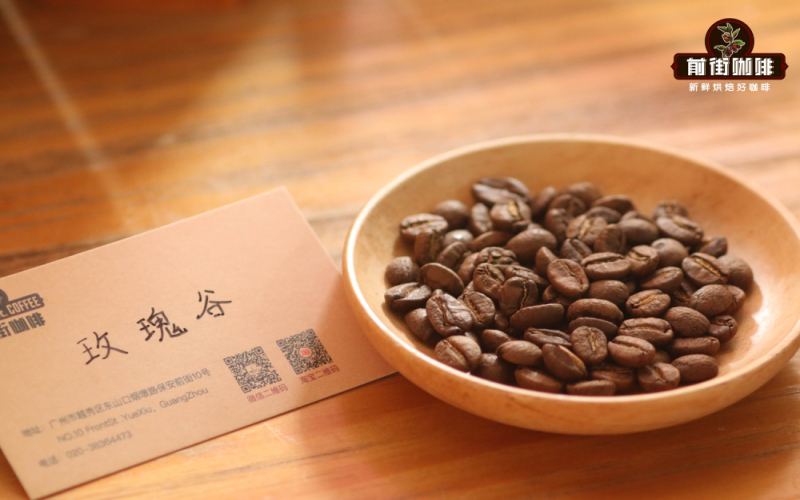
Colombian Coffee Producing Regions Flavor Analysis and Front Street Coffee Pour-Over Parameters & Brewing Steps
Colombian coffee is one of the few single-origin coffees named after a country, and its balanced, smooth taste is inseparable from its superior growing conditions. This article systematically reviews the distribution and flavor characteristics of Colombia's main specialty coffee regions, including Santander, Antioquia, Tolima, Huila, Cauca, and Narino, and also introduces the FNC National Federation of Coffee Growers of Colombia and the coffee grading system. It also provides Front Street Coffee's brewing parameters and pour-over steps, as well as detailed flavor descriptions of three beans—Rose Valley, Flower Moon Night, and Cherry Blossom—to help coffee lovers gain a comprehensive understanding of the charm of Colombian coffee. [more…]
Colombian Coffee with South American Flair: Origin Terroir, Variety Characteristics, and Front Street Coffee Single-Origin Brewing Analysis
As one of the few single-origin coffees in the world named after a country, Colombian coffee stands alongside Brazil firmly in the top three of global production, together accounting for about 15% of the world total. Unlike Brazil, which relies on technology to compensate for its flat terrain and dry climate, Colombia is blessed with clustered volcanoes, fertile soil, and abundant rainfall, nurturing a coffee that is clean, sweet, and full of fruity aromas. This article will take you into the major producing regions among the Andes Mountains, from Bucaramanga in the north to the southern specialty zone, and further into the evolution of varieties such as Castillo. At the same time, the processing methods and brewing recipes for Colombian single origins such as Rose Valley, Flower Moon Night, Sakura, and Huila under Front Street Coffee will also be presented, helping you understand the scenery in the cup of this gentle land of Latin America. [more…]
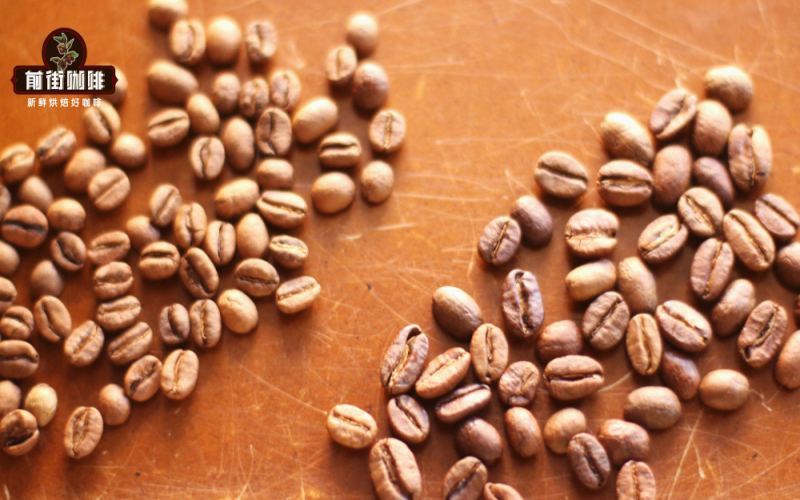
A Comprehensive Analysis of Ethiopian Sidamo Flower Queen Coffee Beans: Flavor Differences from Geisha Variety and the Grading System
Huakui and Geisha, two names that ring loudly in the specialty coffee world, are often lumped together. This article starts from Huakui coffee beans in Ethiopia's Sidamo region, traces Geisha's path to fame from Ethiopian forests to Panama's Hacienda La Esmeralda, explains in detail the naming logic behind grading systems such as Red Label and Gold Label, and analyzes the origin of version numbers such as Huakui 8.0. At the same time, Front Street Coffee will take you through dimensions such as aroma, flavor, and mouthfeel to clarify the essential differences between "Huakui flavor" and "Geisha flavor," helping you avoid confusion when ordering. [more…]
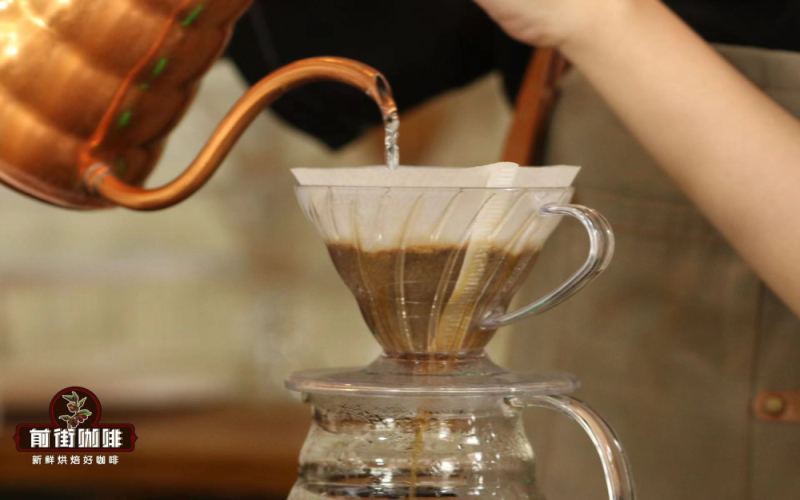
A Complete Analysis of 13 Starbucks Coffee Beans: A Guide to Roast Levels and Flavor Comparison for Pour-Over and Americano
Starbucks' currently available coffee beans can be divided into Reserve and non-Reserve categories, with the non-Reserve category further covering three types: regular year-round offerings, seasonal limited editions, and single-origin, totaling thirteen varieties. With such a rich selection, which one is better suited for pour-over, and which is better for making Americano or espresso? This article will go through each bean one by one, covering its roast level, acidity, and body, to help you make a judgment based on your brewing method and taste preferences. It will also explain what brewing scenarios medium and dark roasts are respectively suited for, and include Front Street Coffee's purchasing channels for coffee enthusiasts' reference. [more…]
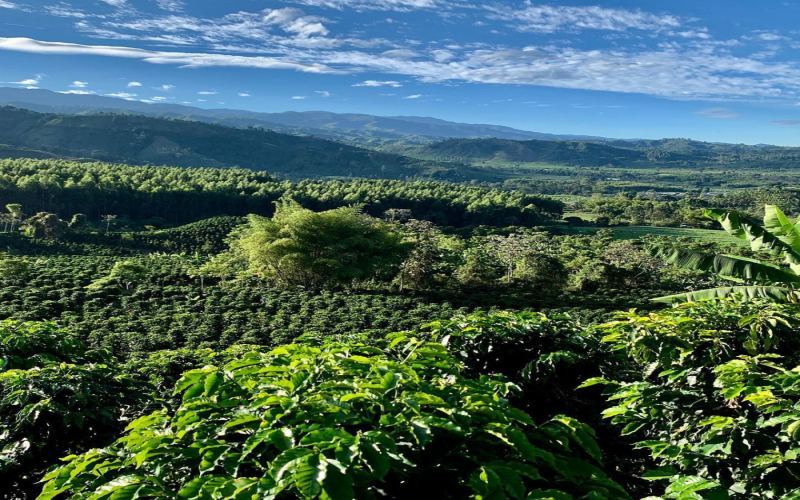
A Complete Analysis of Colombian Coffee Regions, Flavors, and Varieties: From Huila and Cauca to Front Street Brewing Methods
Colombia, with its diverse landscapes of low latitude and high altitude, has become an important producing country for specialty coffee. This article systematically reviews the characteristics of the country's main cultivated varieties such as Caturra, Castillo, Pink Bourbon, and Geisha, explains in detail the terroir differences of southern specialty regions such as Huila, Cauca, Nariño, and Tolima, and introduces how processing methods such as washed, semi-washed, anaerobic natural, and anaerobic enzyme-washed shape flavor. The seven Colombian beans offered by Front Street Coffee include Rose Valley, Flower Moon Night, and everyday beans, and the article also provides roasting curves, cupping performance, and V60 three-pour brewing parameters, offering coffee enthusiasts a complete reference from understanding producing regions to practical brewing. [more…]
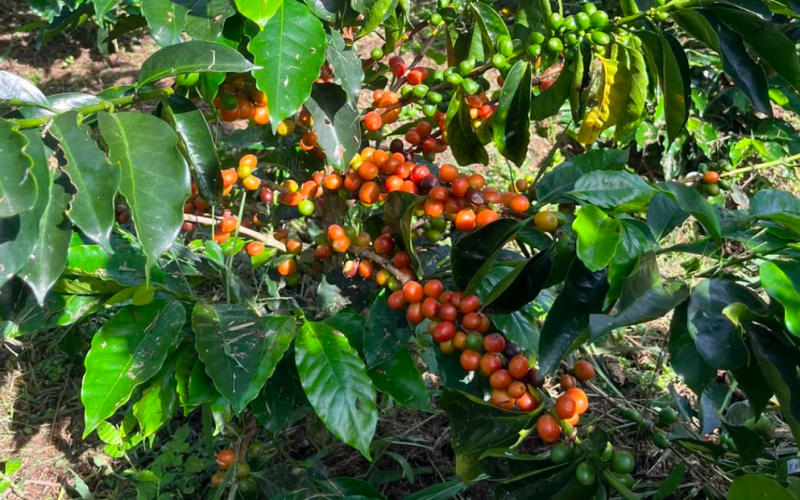
Colombia Coffee's Regional Distribution and Flavor Characteristics: A Specialty Journey from Huila to Cauca
Colombia, as the world's second-largest coffee producer, may not match Brazil in output, but it enjoys a stellar reputation for growing high-quality washed Arabica almost everywhere in the country. Its coffee is known for soft sweetness, balanced acidity, and a hint of cocoa, gifts of nature from low latitudes, high altitudes, volcanic soil, and ample rainfall. Colombia's specialty production areas are concentrated in the south, represented by Huila, Cauca, Nariño, and Tolima, each showing unique fruit acidity, sweetness, and aroma. Front Street Coffee selects beans such as Huila, Flower Moon Night, and Rose Valley, presenting the diversity of Colombian coffee through washed or special processing methods. This article will guide you through the charm of Colombian coffee, from production region divisions and variety characteristics to brewing suggestions. [more…]